



for the early detection of diseases and a healthier life.
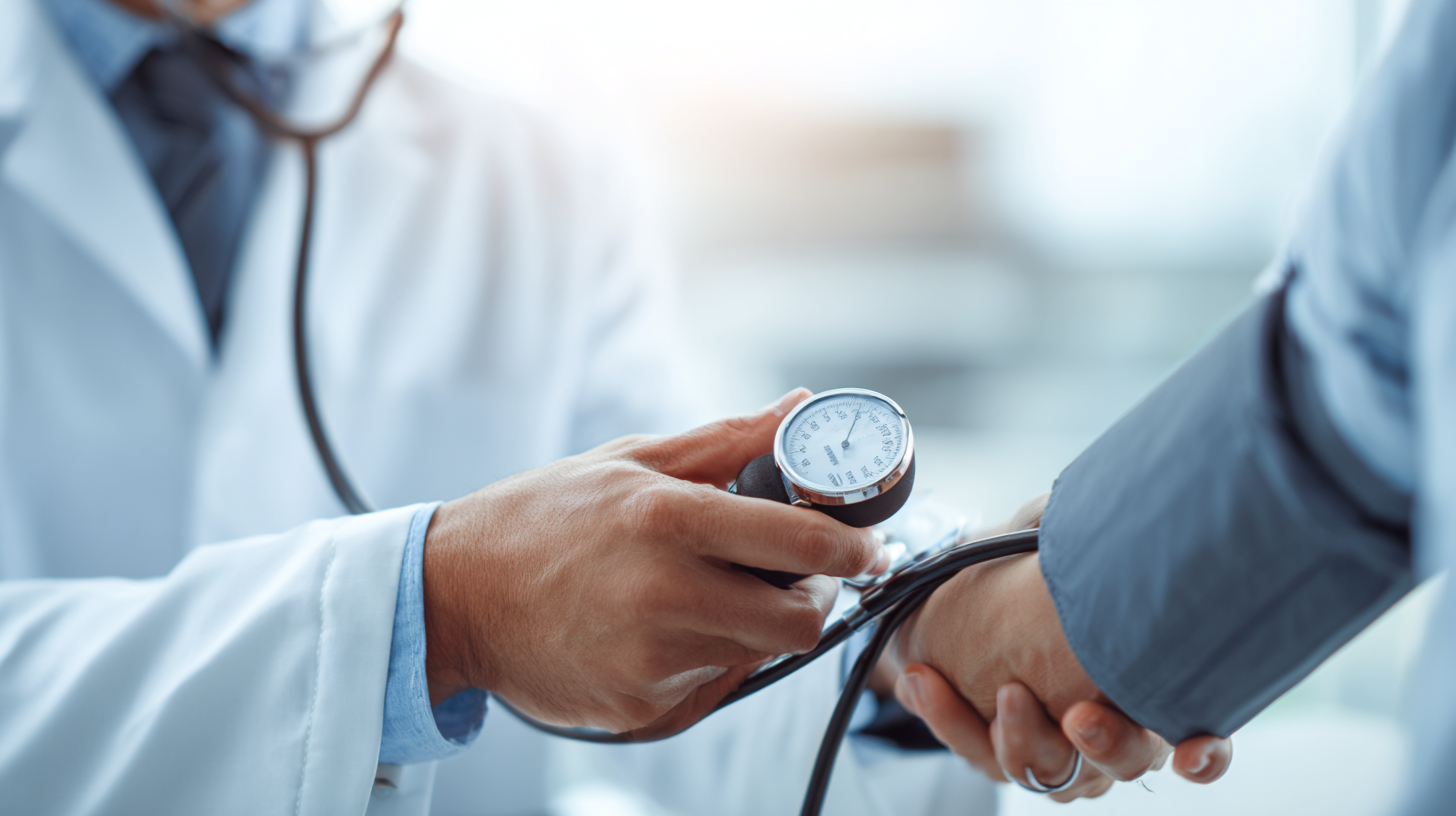
While blood pressure varies by vascular site, it generally refers to arterial pressure measured in the upper arm, with hypertension clinically defined as a repeated average systolic reading of $\ge$ 140 mmHg or a diastolic reading of $\ge$ 90 mmHg.
-
01 Lung CancerScreening Method
- Chest X-ray, chest CT scan, sputum test, bronchoscopy, percutaneous needle aspiration biopsy, etc.
Symptoms & Prognosis- When coughing and sputum persist for more than 3 weeks
- Fatigue and sudden weight loss
- When there is chest pain and dyspnea (shortness of breath)
- When there is a family history of lung cancer
- When there is hemoptysis (coughing up blood)
- In case of being a smoker
Prevention Method- Smoking cessation is the most definitive method.
- Regularly undergo low-dose chest computed tomography (CT) and detailed sputum cytology tests.
-
02 Stomach CancerScreening Method
- Gastroscopy, upper gastrointestinal series, etc.
Symptoms & Prognosis- When the upper abdomen feels bloated and there is pain
- When there is a loss of appetite and weight loss
- When there are symptoms such as anemia
- Those with a family history of stomach cancer
Prevention Method- Make efforts toward eating habits centered on fresh vegetables.
- Conduct regular gastroscopy screenings.
- Treating Helicobacter pylori helps in preventing stomach cancer. tests.
-
03 Liver CancerScreening Method
- Perform both ultrasound examination and serum alpha-fetoprotein test, and conduct liver CT scan if abnormal findings are discovered
Symptoms & Prognosis- Pain in the upper right abdomen
- Hepatitis B / Hepatitis C carriers
- Fatigue and weight loss
- Those with a family history of liver cancer
- Those with symptoms of jaundice
Prevention Method- Conduct regular blood tests and abdominal ultrasound screenings.
- Administer Hepatitis B vaccinations.
- Refrain from excessive drinking.
- Regular checkups are vital for carriers, while active patients require prompt treatment.

This checkup is conducted to evaluate current physical and mental health capabilities for new hiring in corporations and public institutions to verify task performance. It is usually submitted after document screening, written examinations, and interviews, and prior to final acceptance.
| Category | Amount (KRW) | Note | |
|---|---|---|---|
| Employment Medical Exam | Civil Servant / General Employment Medical Exam | 30,000 | 8-hour fasting required |
lesions can be identified and evaluated.

A gastroscopy is the most basic test for diagnosing various types of diseases by inserting an endoscope through the mouth and observing the inside of the esophagus, stomach, and duodenum. As a biopsy can be performed immediately upon discovering any abnormalities during the test, a more accurate diagnosis is possible, which also helps in determining the treatment plan.
-
Esophageal Diseases
Esophagitis, esophageal cancer, esophageal varices, and esophageal submucosal tumors, etc.
-
Stomach Diseases
Gastritis, stomach ulcer, stomach cancer, and stomach submucosal tumors, etc.
-
01
Those with a family history of stomach cancer
-
02
Those suffering from frequent occurrences of gastritis
-
03
Those experiencing upper abdominal pain
-
04
Those experiencing discomfort due to gastroesophageal reflux disease (GERD)
-
05
Those frequently experiencing indigestion, abdominal pain, and heartburn
-
01 Fasting
Since it is difficult to make an accurate diagnosis if food remains in the stomach, fasting is absolutely required before the test. Finish your meal by 9 PM the night before the examination, and fast until the examination is completed, which also includes avoiding water.
-
02 Current Medications
It is advisable to consult with a doctor on whether to continue taking usually prescribed medications for heart, blood pressure, or asthma. Especially, caution is required as aspirin-type medications can prevent bleeding from stopping easily during a biopsy.
-
03 Smoking Cessation
Smoking stimulates the secretion of gastric juice, which can interfere with the examination. You must abstain from smoking from the day before the examination to ensure you receive an accurate diagnosis.
-
01 Driving
Since sedatives are used, the effects of the medication may persist even after the examination is completed. Please use public transportation or be accompanied by a guardian.
-
02 Diet
You can have water and meals starting 1 hour after the examination. However, if a biopsy was performed, fast for about 2 hours and it is recommended to eat soft food.
liver, gallbladder, and pancreas

An upper abdominal ultrasound is a test that places a transducer that generates ultrasound waves on the upper abdomen, sends the waves, and then visualizes the returning waves in real time. Because it is convenient and harmless to the human body, it is most widely used when there are upper abdominal symptoms.
-
01
Upper abdominal pain cause analysis
-
02
Detection of gallstones
-
03
Liver/spleen abnormalities (cirrhosis, cancer, jaundice, etc.)
-
04
Detection and evaluation of abdominal masses or tumors
-
05
Evaluation of kidney diseases (urinary obstruction)
-
06
Detection of abdominal vascular dilation (aneurysm)
-
 STEP 01 Preparation
Apply gel to the abdominal skin and diagnostic scanning is performed with an ultrasound transducer while lying flat.
-
 STEP 02 Preparation
Apply gel to the abdominal skin and diagnostic scanning is performed with an ultrasound transducer while lying flat.
-
01
Fast from 10 PM the night before. Food and beverages contract the gallbladder and create intestinal gas, interfering with the ultrasound scan.
-
02
Avoid smoking or chewing gum before the test, as swallowing air can hinder the examination.
-
03
Fasting is required for 6 hours for children and 4 hours for infants.
-
04
If endoscopy or GI radiography is scheduled on the same day, perform the ultrasound examination first.


 02
02