



it is one of the most commonly performed screening tests

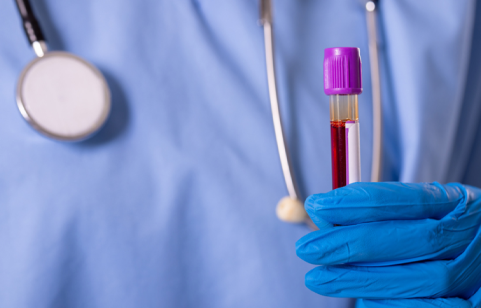
A blood test analyzes various blood components to aid in disease diagnosis, treatment, and prognosis, capturing biochemical changes triggered by abnormal conditions in body organs or tissues.
-
Clinical Importance: Analyzing daily volume, texture, and the presence of blood components is essential.
-
Red or Blood-Tinged: Indicates potential airway bleeding or pulmonary tuberculosis infection.
-
Thick and Yellowish: Suggests an active bacterial infection requiring targeted antibiotic therapy.
-
Layered Separation: Strongly points toward bronchiectasis or severe lung tissue necrosis.
-
01 Bacterial Culture & Antibiotic Susceptibility Test
Cultures sputum bacteria during respiratory infections to identify the causative pathogen
-
02 Acid-Fast Bacilli (AFB) Smear Test
Performed when tuberculosis is suspected; active infections reveal characteristic red, rod-shaped bacterial strains under microscopic examination.
-
03 Sputum Cytology Test
Conducted when lung cancer is suspected to detect shedding tumor cells within the sputum and accurately determine whether the identified mass is benign or malignant.
-
04 Tuberculosis (TB) Culture
Isolates and cultivates even a minimal number of tubercle bacilli to confirm infection, with definitive clinical results available after 2 weeks to 2 months.
-
05 Non-Tuberculous Mycobacteria (NTM) Test
Specialized screening designed to isolate and identify atypical mycobacterial infections, with final confirmatory results delivered within 1 to 2 months.
-
01
Medication Check: Avoid taking antibiotics until collection, and inform staff if already consumed.
-
02
Morning Collection: Collect the specimen immediately upon waking up, before brushing teeth or drinking water.
-
03
Mouth Rinsing: Lightly rinse your mouth with plain water first to prevent oral bacterial contamination.
-
04
Deep Coughing: Take multiple deep breaths and cough deeply to collect sputum, ensuring it is not just saliva.
-
05
Hydration Care: If the sputum is too thick, drink plenty of water or use a humidifier a few days prior.
-
06
Sterile Container: Cough directly into the wide-mouthed sterile cup, filling at least one spoonful.
-
07
Secure Delivery: Close the lid tightly to prevent leakage or contamination, and hand it to medical staff immediately.


 02
02