



by long-term exposure to external harmful substances.

COPD is a respiratory disease marked by abnormal lung inflammation from inhaling harmful particles or gases, like tobacco smoke, resulting in an irreversible and progressively worsening airflow limitation within the patient's airways.
-

Cigarette Smoking
-
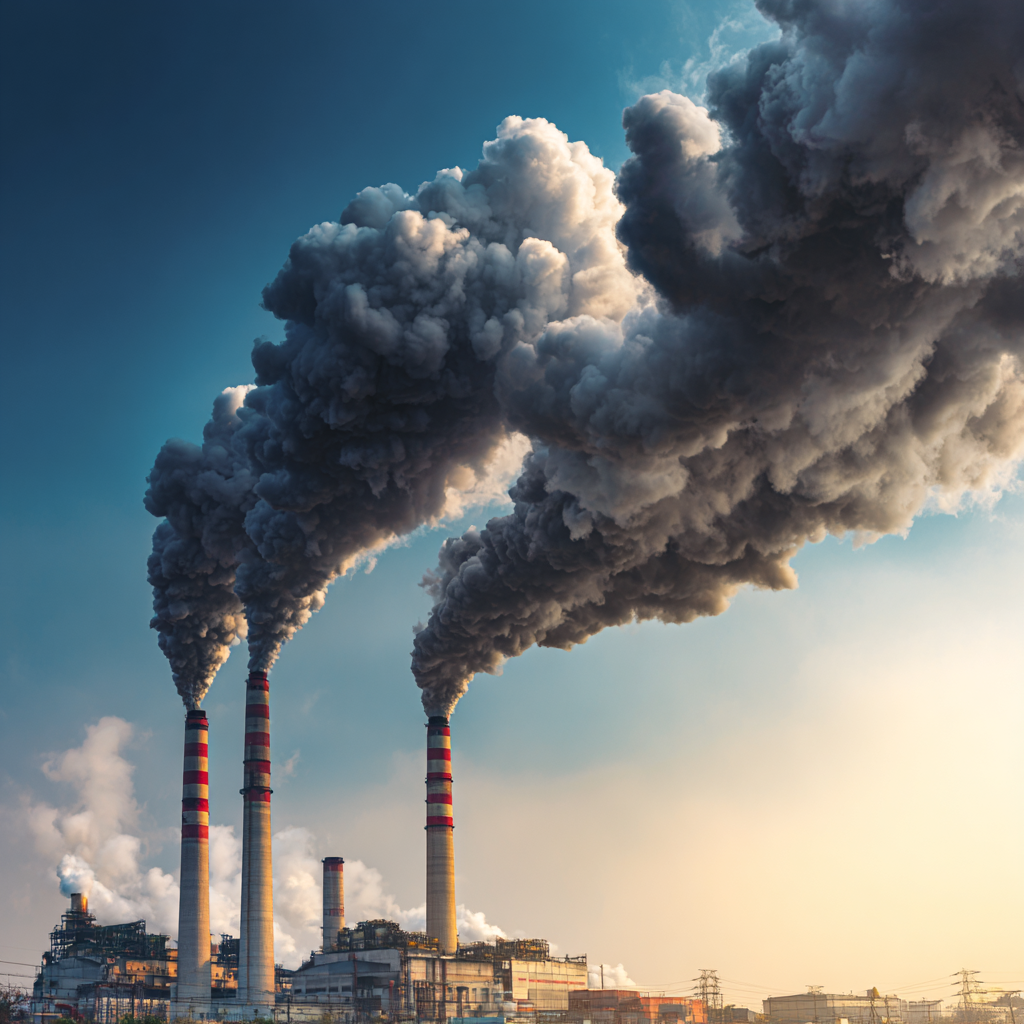
Severe Air Pollution
-

Occupational Hazards
-

Genetic Factors
-
01
Chronic Cough
Usually the initial symptom, it begins intermittently but gradually turns daily or constant; in some cases, significant airflow limitation develops even without a cough.
-
02
Sputum Production
Patients commonly cough up small amounts of thick, viscous sputum typically following an acute coughing fit or respiratory episode.
-
03
Dyspnea / Shortness of Breath
The primary clinical reason most patients seek urgent medical attention, serving as a major driver of disease-related disability and anxiety.
-
04
Wheezing & Chest Tightness
These relatively non-specific symptoms vary widely day to day or throughout the day; their absence does not clinically exclude a definitive diagnosis of COPD.
-
01 Medicationhow to
Rather than reversing lung function, drug therapy aims to improve current symptoms, prevent secondary complications, and ultimately enhance the patient's quality of life.
02 Pulmonary Rehabhow toFollowing a specialist's prescription, rehabilitation incorporates custom breathing techniques; due to airway obstruction and chest wall changes, abdominal or pursed-lip breathing feels more comfortable.
03 Daily Managementhow toSmoking cessation is vital to slow down airway narrowing and lung decline; patients must consistently manage conditions with routine checks, bronchodilators, steroids, and inhalers.


 02
02